
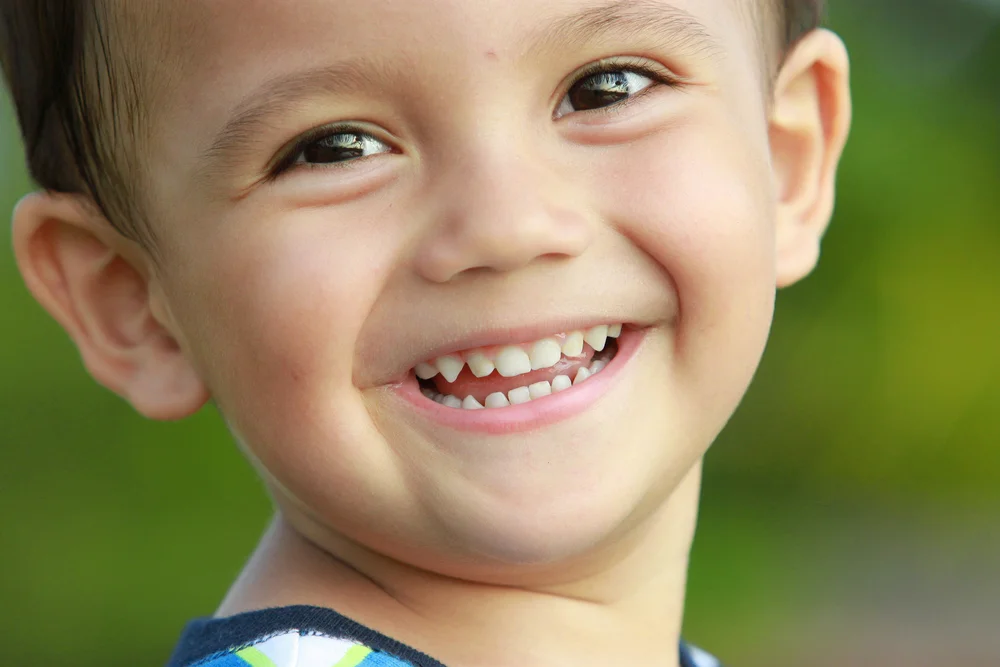
Most parents see their child’s smile as a source of happiness.
As an orthodontist, I see that too. But, I also see something more.
A child’s smile can tell us a remarkable amount about their growth and development. The way teeth erupt, how the jaws are growing, how the bite fits together, and even certain habits can all leave clues that help us understand what’s happening beneath the surface.
That’s why an orthodontic assessment is about much more than checking whether teeth are straight.
The Eruption of Teeth Tells a Story
One of the first things I look at during a child’s orthodontic assessment is how their teeth are erupting.
Children generally follow a predictable pattern as they lose baby teeth and adult teeth emerge.
When teeth appear:
- Earlier than expected
- Later than expected
- In an unusual order
- In an unexpected position
It may simply be a normal variation.
However, it can also provide useful information about how the teeth and jaws are developing.
Most of the time there’s no cause for concern, but it’s helpful to know whether everything is progressing as expected.
The Bite Reveals How the Jaws Are Growing
A child’s bite can tell us a great deal about jaw development.
When the upper and lower teeth come together, they provide clues about:
- Jaw growth
- Facial development
- Available space for adult teeth
- Future orthodontic concerns
Sometimes we can identify developing issues such as crowding, crossbites or jaw discrepancies years before they become more noticeable.
This doesn’t necessarily mean treatment is required immediately. It simply gives us an opportunity to monitor growth and intervene at the most appropriate time if needed.
Teeth Can Reflect Childhood Habits
A child’s smile can also reveal information about certain habits.
For example, we may see signs associated with:
- Thumb sucking
- Dummy or pacifier use
- Tongue-thrust habits
- Mouth breathing
These habits can sometimes influence the way teeth and jaws develop.
Identifying them early allows families to better understand how they may be affecting growth.
Breathing Can Leave Clues Too
One of the things orthodontists increasingly pay attention to is breathing.
Children who habitually breathe through their mouth often develop different resting positions of the lips, tongue and jaw.
In some cases, this may influence facial growth and dental development over time.
A child’s smile and facial posture can sometimes provide important clues that encourage a closer look at airway health and breathing patterns.
Why Early Orthodontic Assessments Matter
One of the biggest misconceptions about orthodontics is that children should only see an orthodontist once all their adult teeth have erupted.
In reality, the Australian Society of Orthodontists recommends an orthodontic assessment around age seven.
This doesn’t mean every child will need treatment.
In fact, most early assessments simply provide reassurance that everything is developing normally.
The value lies in identifying any concerns while growth is still occurring and options are often simpler.
Most Assessments Bring Reassurance
One of the most important things I tell parents is that the purpose of an assessment isn’t to find problems.
More often than not, the outcome is positive.
Many children are developing exactly as they should, and an assessment simply confirms that growth is on track.
When concerns are identified, they are often easier to manage because we’ve recognised them early.
Orthodontic Assessment
At South Coast Orthodontics, we regularly see families from Corrimal to North Wollongong and throughout the Illawarra who want peace of mind about their child’s developing smile.
A child’s teeth can reveal far more than most people realise.
By understanding how the teeth, jaws and bite are developing, we can often identify opportunities to support healthy growth at exactly the right time.
Because sometimes a smile isn’t just a smile.
It’s a window into how a child is growing, and an opportunity to help them enjoy a healthy smile for life.
