
One of the most common questions I hear after orthodontic treatment is:
“Now that my braces are off, will my teeth stay straight forever?”
The honest answer is that teeth naturally want to move throughout our lives.
This can come as a surprise to many patients. After all the time, effort and commitment that goes into orthodontic treatment, it can be frustrating to notice a tooth gradually shifting months or years later.
The good news is that tooth movement after treatment is both normal and largely preventable when the right retention plan is followed.
Why Do Teeth Move After Orthodontic Treatment?
Many people assume that once teeth are straightened, they become permanently fixed in place.
In reality, teeth are constantly responding to the forces around them.
Each tooth sits within bone and is connected to the surrounding tissues by tiny fibres. During orthodontic treatment, these fibres stretch and adapt as the teeth move into their new positions.
Even after treatment is complete, those fibres can continue to exert pressure on the teeth for some time.
Without proper retention, this can contribute to teeth gradually drifting back towards their original positions.
Teeth Naturally Move Throughout Life
Even people who have never had braces or Invisalign® experience changes in their teeth over time.
Throughout life, teeth are influenced by:
- The pressure of the tongue
- The lips and cheeks
- Everyday chewing forces
- Natural ageing and facial growth
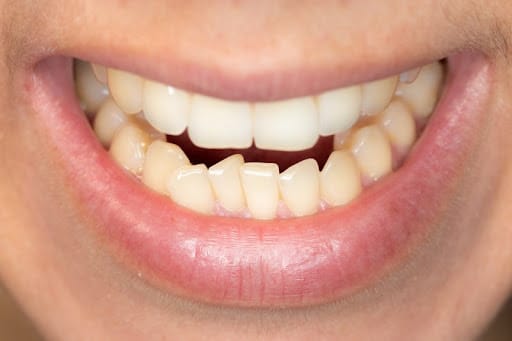
This is one reason why lower front teeth often become more crowded as adults get older.
Teeth are not static structures. They are constantly responding to the environment around them.
Growth Can Continue After Treatment
For younger patients, jaw growth can continue for years after orthodontic treatment has finished.
As the face and jaws continue to develop, subtle changes in tooth position can occur.
This doesn’t mean the treatment has failed. It’s simply part of the normal growth process.
It’s one of the reasons orthodontists place so much emphasis on long-term retention.
The Importance of Retainers
If braces and Invisalign® create the result, retainers help protect it.
A retainer holds the teeth in their new positions while the surrounding bone and tissues stabilise.
Retainers also help resist the natural forces that encourage teeth to move over time.
There are two main types of retainers:
Removable Retainers
These are typically clear retainers that are worn according to your orthodontist’s instructions.
They are discreet, comfortable and easy to clean.
Fixed Retainers
A fixed retainer is a thin wire bonded behind the teeth, usually on the lower front teeth.
Because it remains in place, it provides continuous support without relying on patient compliance.
For many patients, a combination of fixed and removable retainers offers the best long-term protection.
Retention Is Part of Treatment
One of the biggest misconceptions in orthodontics is that retention is a short-term phase that ends after a few months.
In reality, retaining your result is an ongoing commitment.
The forces that move teeth never disappear, which means retainers remain an important part of maintaining a straight smile.
I often tell patients that orthodontic treatment doesn’t truly finish when the braces come off. It finishes when we have a long-term plan to keep the teeth where we want them.
How to Protect Your New Smile
The best way to minimise relapse is surprisingly simple:
- Wear your retainers as instructed
- Attend your review appointments
- Keep removable retainers clean
- Replace damaged or worn retainers promptly
- Contact your orthodontist if a retainer no longer fits properly
Small habits today can prevent significant tooth movement in the future.
Retainers and Orthodontic Care in Fernhill
At South Coast Orthodontics, we regularly remind our patients from Fernhill and across the Illawarra that retention is every bit as important as treatment itself.
Creating a beautiful smile is only part of the journey. Protecting that smile for years and decades to come is just as important.
With the right retainer plan and a little consistency, there’s every reason to enjoy the benefits of your orthodontic treatment for the long term.
Because the best orthodontic result isn’t just a straight smile today; it’s a straight smile that stays that way.
