
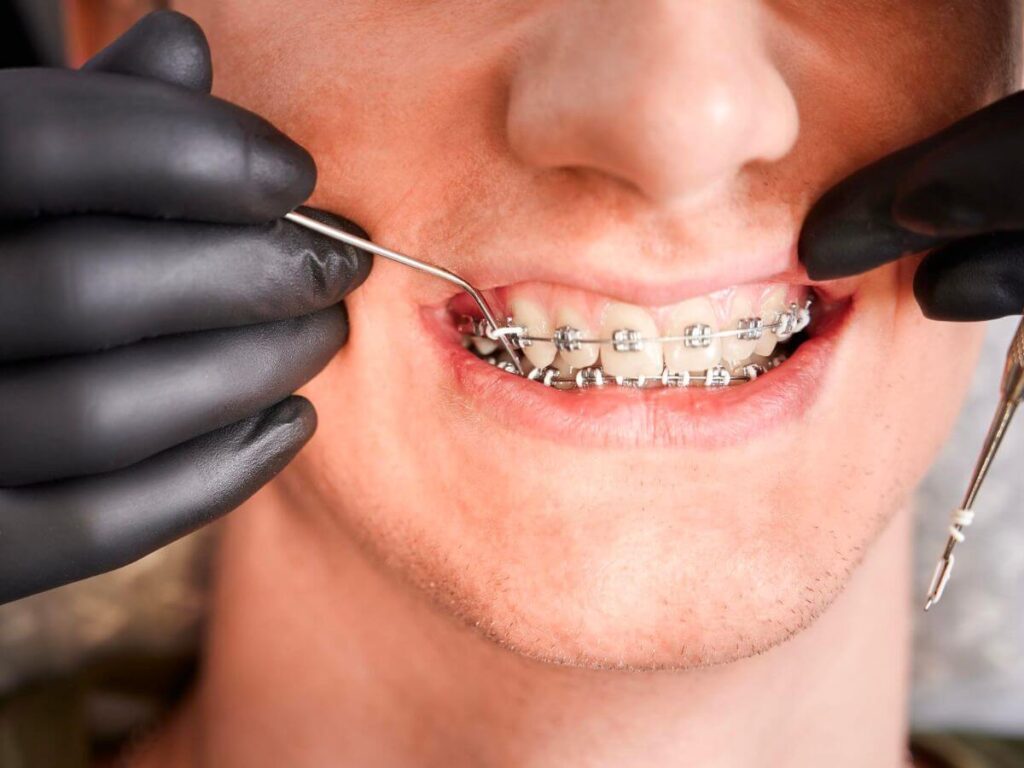
Do Braces Hurt? An Honest Orthodontist’s Answer
Hello,
One of the most common concerns that children, teenagers, and adults express to me is their fear of pain when getting braces.
There is a widespread misconception that braces are extremely painful, so I’d like to address this concern in a detailed and honest way.
The truth is that the experience of discomfort with braces is subjective and varies from person to person. Factors such as individual pain tolerance, dental conditions, and the complexity of the orthodontic treatment plan can influence how someone feels during the process.
When braces are first placed, it is normal to experience some soreness or tenderness as your teeth begin to adjust to the orthodontic appliances. This sensation is actually a sign that the braces are working and that your teeth are gradually moving into their proper alignment.
While this adjustment period may feel unfamiliar, it is a necessary step in achieving a healthy, straight smile.
What Happens During Braces Adjustments?
Throughout your orthodontic treatment, you will visit our clinic for regular adjustment appointments.
During these visits, I may:
- Tighten the archwires
- Replace elastics or bands
- Adjust components of the braces
These adjustments allow the braces to continue guiding your teeth into their correct positions.
Because these changes apply gentle pressure to the teeth, you may feel temporary soreness for a few days following an adjustment. This discomfort is typically mild and short-lived.
How to Manage Braces Discomfort
Managing discomfort is a normal part of the orthodontic journey. The good news is that there are several simple strategies that can make this process much easier.
Communication Is Key
Always share any concerns or discomfort with me.
As an orthodontist, I am trained to adjust your treatment when necessary and minimise discomfort wherever possible.
I studied at the University of Sydney not only to understand the technical aspects of orthodontics but also to support the mental and emotional journey that comes with treatment.
You are a human being, not a number and certainly never a burden.
Maintain Excellent Oral Hygiene
Good oral hygiene is essential during orthodontic treatment.
Keeping your teeth and gums clean helps prevent gum inflammation, cavities, and other issues that could cause additional discomfort during treatment.
Brushing, flossing, and attending regular dental check-ups will help ensure your orthodontic journey remains as smooth as possible.
Follow My Instructions
Following your orthodontic care instructions carefully will help ensure that treatment progresses effectively and comfortably.
If discomfort persists during the initial adjustment period, I may occasionally recommend limited use of common over-the-counter medications such as:
- Panadol
- Nurofen
Dietary adjustments can also help during sensitive periods. Softer foods such as rice, pasta, and mince can make eating more comfortable while your teeth are adjusting.
Patience and Persistence
It’s important to remember that any discomfort associated with braces is temporary.
Your teeth gradually adapt to the orthodontic forces over time, and most patients find that the soreness becomes less noticeable as treatment progresses.
Patience during this stage ultimately leads to a beautiful and healthy smile.
The Reality of Braces Pain
Research consistently shows that the level of pain experienced during orthodontic treatment is manageable for most people.
It is rarely severe or excruciating. Instead, it tends to involve periods of mild pressure or soreness, particularly after braces are first placed or adjusted.
Most patients find that the discomfort diminishes significantly as their teeth adapt to the treatment.
The Bigger Picture – More Than Just Straight Teeth
Orthodontic treatment is about more than simply straightening teeth.
It is a transformational journey that often builds:
- Confidence
- Patience
- Resilience
- Determination
Over the years, I have witnessed this transformation in thousands of patients. The journey may include small challenges, but the end result is a smile that patients are proud to show for the rest of their lives.
FAQ
1. Are braces painful to get put on?
Most patients at South Coast Orthodontics would agree that getting braces put on is not painful.
The process involves attaching brackets to the teeth using a special adhesive and placing the archwire through the brackets. You may feel some pressure or mild discomfort, but the procedure itself is generally straightforward and well tolerated.
2. Are braces painful to wear?
After braces are first placed, it is common to experience soreness for a few days as your teeth adjust to the pressure.
This discomfort can usually be managed with soft foods and over-the-counter pain relief.
As your teeth gradually shift into their correct positions, you may occasionally feel pressure or mild soreness, but it should never be unbearable.
3. Are braces painful to get adjusted?
During routine adjustment appointments, I will tighten the archwire to continue moving your teeth into their desired positions.
You may feel temporary pressure or soreness for a few days after these adjustments.
This discomfort is usually manageable with simple measures such as pain relief medication and softer foods, and it typically subsides quickly.
What’s often more painful than the adjustment itself are my dad jokes while you’re sitting in the dental chair.
Our Commitment to Your Comfort
The team at South Coast Orthodontics and I are fully committed to providing a comfortable, supportive, and professional orthodontic experience.
We understand that starting orthodontic treatment can feel daunting especially when concerns about pain arise.
Please rest assured that we are here to guide and support you at every step, ensuring that your comfort, safety, and wellbeing remain our highest priorities.
Contact us to arrange your free initial consultation, and together we will begin the journey toward a healthier, more confident smile that lasts a lifetime.
A little pain, but lots to gain.
Yours sincerely,
Dr Kamal Ahmed
P.S. Why did I have pain and need a massage after listening to classical music?
Because I got a bach-ache.
