
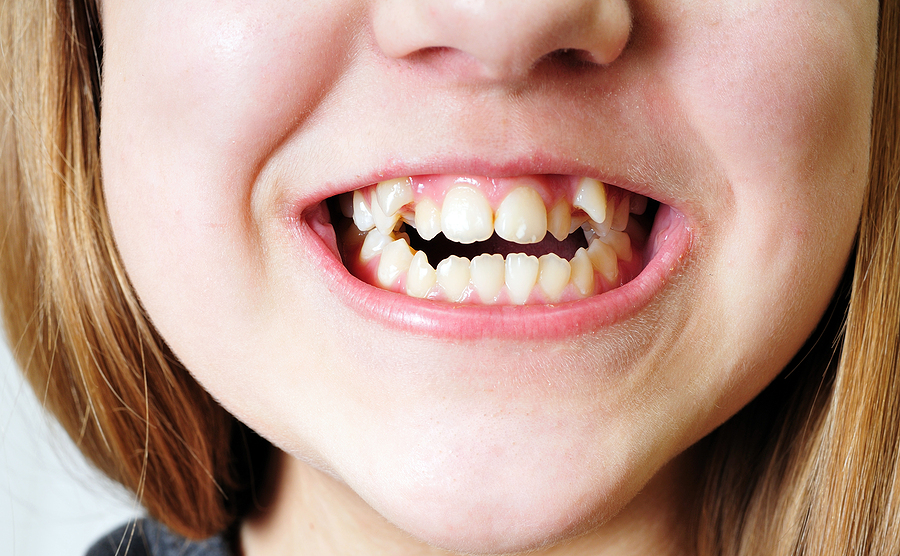
One of the most common questions I hear from parents is:
“My child brushes every day, so why are their teeth becoming crooked?”
It’s a fair question.
Many parents work hard to establish good oral hygiene habits. They supervise brushing, encourage flossing, limit sugary foods and keep up with regular dental visits. So when adult teeth start coming through crowded, overlapping or crooked, it can feel confusing and sometimes even a little discouraging.
The good news is that, in most cases, crooked teeth have very little to do with how well a child brushes.
Brushing Prevents Cavities, Not Crooked Teeth
One of the biggest misconceptions about children’s teeth is that good brushing automatically leads to straight teeth.
In reality, these are two completely different issues.
Brushing and flossing help prevent:
- Tooth decay
- Cavities
- Gum disease
Tooth alignment, however, is influenced by how the teeth, jaws and facial structures develop as a child grows.
A child can have excellent oral hygiene and still develop crowded or crooked teeth. Equally, a child with naturally straight teeth may not necessarily have perfect brushing habits.
Genetics Often Plays the Biggest Role
In my experience, genetics is one of the most common reasons children develop crooked teeth.
A child may inherit the size of their teeth from one parent and the size of their jaw from the other. If larger teeth need to fit into a smaller jaw, crowding is often the result.
This tooth-to-jaw size mismatch is incredibly common and is something no amount of brushing can prevent.
Habits Can Influence Growth
While genetics is important, certain childhood habits can also affect how the jaws and teeth develop.
These may include:
- Prolonged thumb-sucking
- Extended dummy or pacifier use
- Long-term bottle feeding
- Mouth breathing
- Tongue-thrust habits
These behaviours can place gentle but consistent pressure on developing teeth and jaws, influencing how they grow over time.
Early Loss of Baby Teeth Can Create Problems
Baby teeth do more than help children chew and speak. They also act as placeholders for the adult teeth developing underneath.
When a baby tooth is lost too early due to decay, injury or extraction, neighbouring teeth can drift into the space.
When the adult tooth eventually arrives, there may no longer be enough room for it to erupt properly, leading to crowding or misalignment.
Sometimes It’s Just Part of Growing Up
Children’s teeth don’t always emerge in a neat, predictable sequence.
Some adult teeth erupt earlier than expected. Others arrive at unusual angles. Occasionally, one tooth can push against neighbouring teeth and create crowding as it develops.
This is often a normal part of growth rather than a sign that anything has gone wrong.
When Should Children See an Orthodontist?
Many parents assume orthodontic treatment begins in the teenage years.
However, the Australian Society of Orthodontists recommends children have an orthodontic assessment around age seven.
At this age, enough adult teeth have usually emerged for us to identify potential concerns, while there is still significant growth remaining if guidance is needed.
Importantly, an assessment does not mean treatment will start immediately. In many cases, we simply monitor growth and development over time.
Early Orthodontic Assessments
One of the most reassuring things I can tell parents is this:
Crooked teeth are usually not a reflection of your parenting.
What matters most is maintaining good oral health and having your child’s developing smile assessed at the right time.
At South Coast Orthodontics, we regularly see families from East Corrimal and across the Illawarra who simply want to understand how their child’s teeth are developing.
An early orthodontic assessment can provide peace of mind, confirm that everything is progressing normally, or identify a small issue before it becomes a larger one.
Sometimes the most valuable outcome is simply replacing uncertainty with a clear plan and expert advice.
